
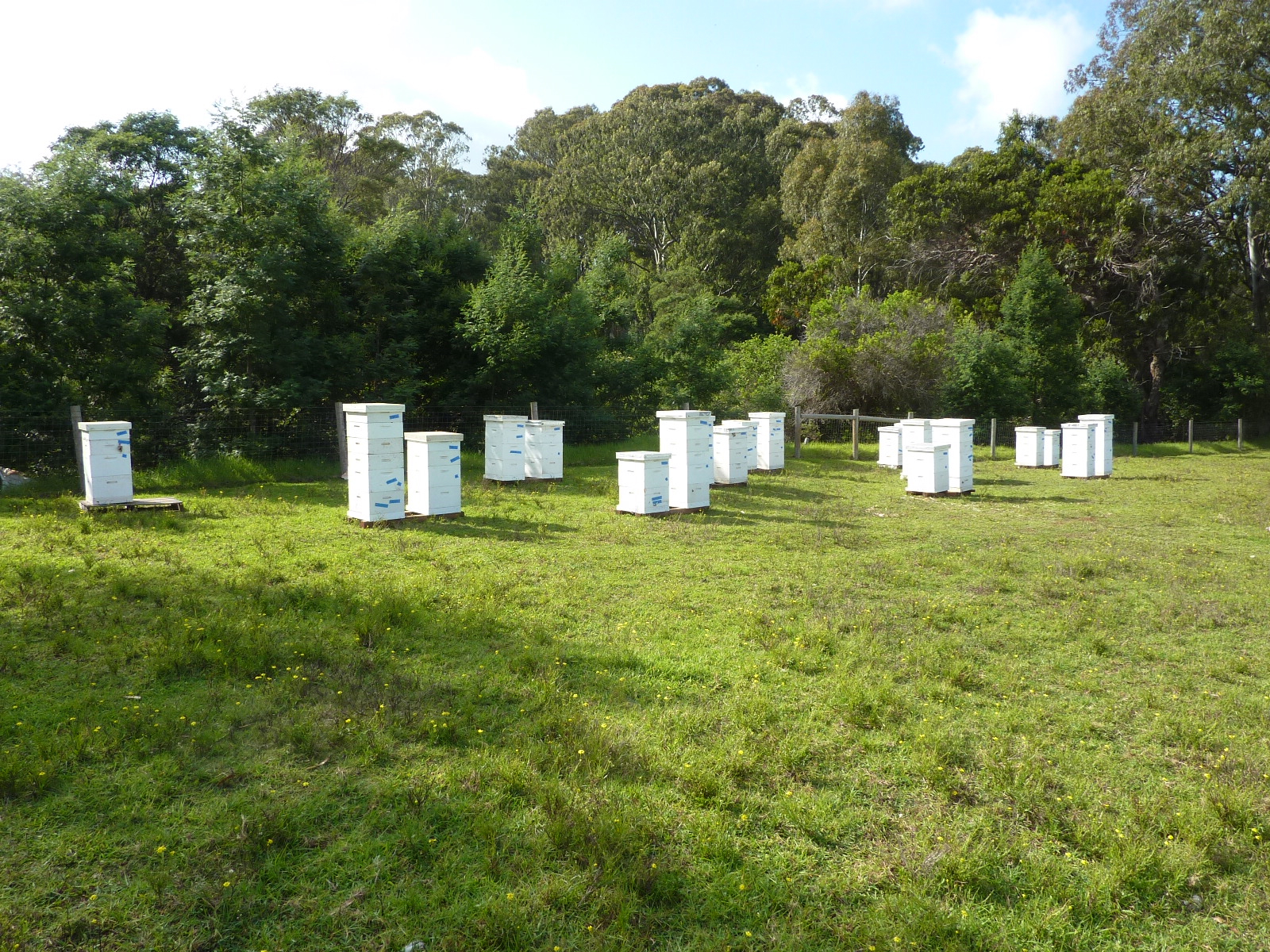
Beekeeping is one of the most rewarding hobbies (and businesses) you can start—but the first time you open a hive, your confidence is only as strong as your gear. The right beekeeping clothing doesn’t just prevent stings. It helps you stay calm, move well, and work longer without overheating or rushing.
This guide breaks down what to wear, what to avoid, and how to choose clothing that makes your time in the apiary safer and more enjoyable.
Why beekeeping clothing matters (more than you think)
Even calm colonies can get defensive due to weather, nectar dearth, hive inspections, or accidental bumps. Protective clothing helps you:
- Reduce stings and swelling (especially around ankles, wrists, and neck)
- Avoid panic reactions that can escalate aggression in the hive
- Stay focused during inspections (better decisions, fewer mistakes)
- Work longer in warm weather without feeling trapped or overheated
The essential pieces of beekeeping clothing
1) Veil (non-negotiable)
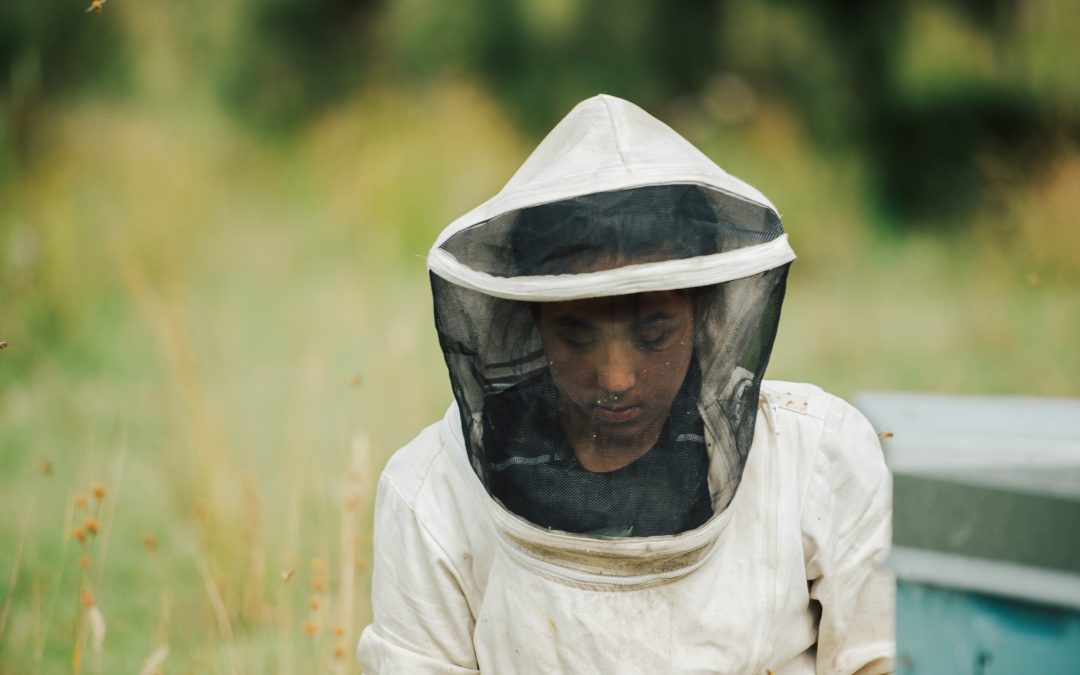
Your face is the priority. A quality veil should:
- Keep mesh away from your nose/lips (no “bee kisses” through the screen)
- Provide clear visibility (especially in bright sun)
- Seal securely around the collar/zipper area
2) Jacket vs. full suit
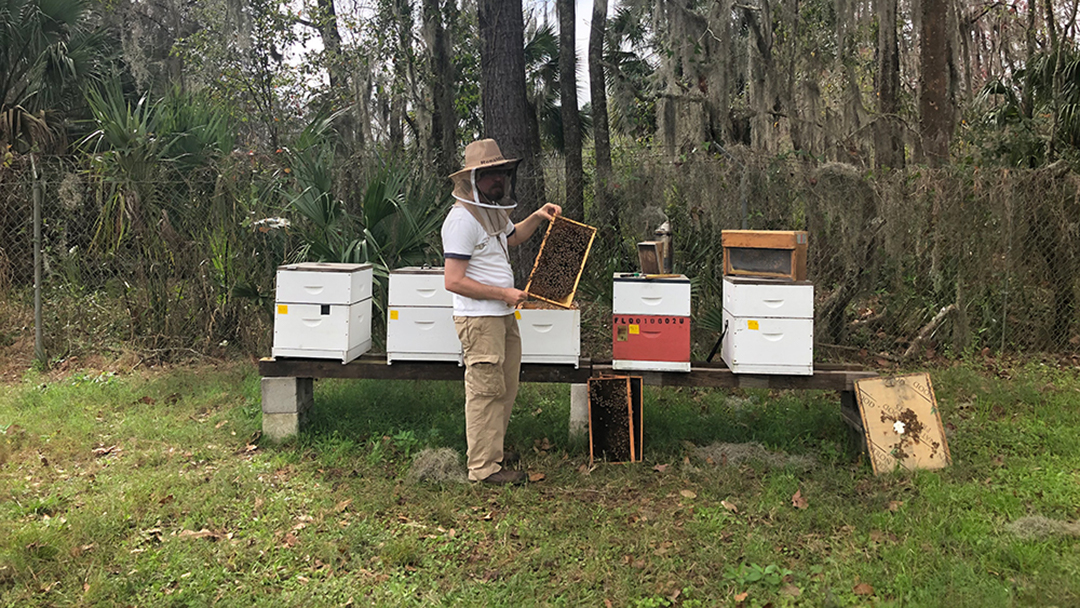
- Jacket: Great for quick checks, feeding, and lighter work. Cooler and faster to put on.
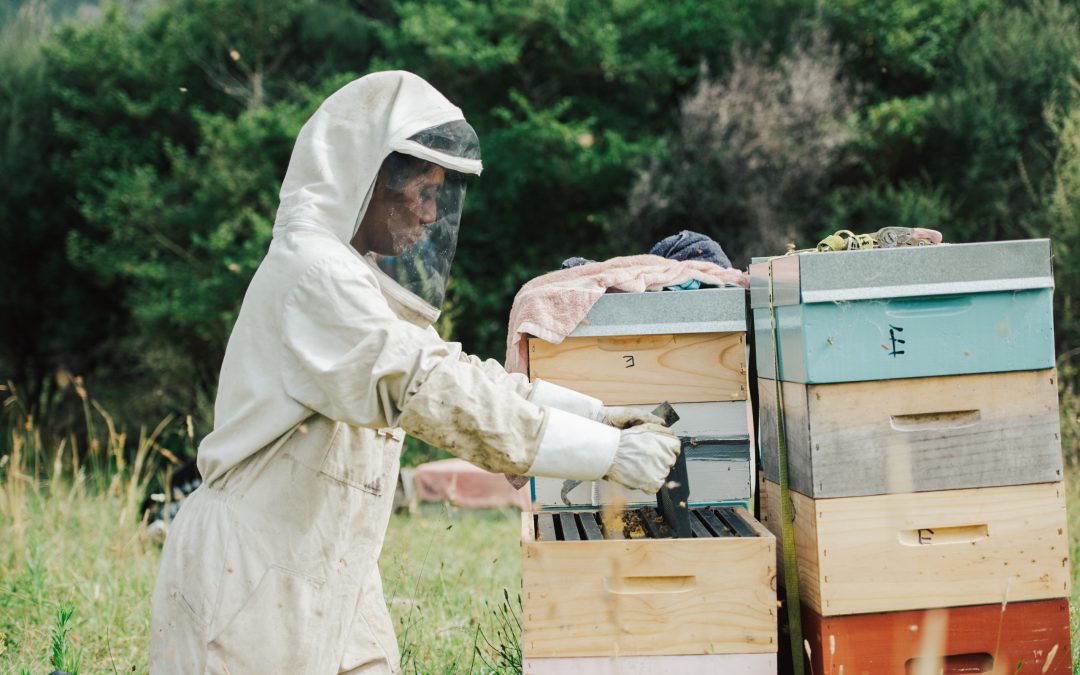
- Full suit: Best for heavy inspections, hot hives, removals, or beginners building confidence.
If you’re new, a full suit often helps you relax—relaxed movements = fewer stings.
3) Gloves
Gloves are personal preference:
- Thicker gloves: More protection, less dexterity
- Lighter gloves: Better feel, more risk Many beekeepers start with thicker gloves and “graduate” as their confidence grows.
4) Pants + ankle protection
A lot of stings happen low—bees crawl upward. Look for:
- Elastic cuffs or boot straps
- Secure overlap between pant leg and boot
- Durable fabric that doesn’t snag
5) Boots
Closed-toe, sturdy, and easy to clean. Many beekeepers prefer taller boots to reduce ankle exposure.
Fit: the overlooked safety feature
Beekeeping clothing should be:
- Roomy enough to keep fabric off your skin (stingers can reach through tight fabric)
- Not so loose that it catches on boxes, frames, or brush
- Sealed at entry points: wrists, ankles, zipper line, and neck
Materials: staying protected without overheating
If you keep bees in warm climates, breath-ability matters. Look for:
- Ventilated panels or breathable weaves
- Lightweight but sting-resistant fabric
- Reinforced seams (weak seams = gaps)
Common mistakes beginners make
- Wearing dark colors (can trigger defensive behavior)
- Leaving gaps at wrists/ankles
- Choosing the cheapest veil (visibility and structure matter)
- Wearing tight clothing under a suit (more stings get through)
What to buy first (simple starter checklist)
- Veil or suit with integrated veil
- Gloves
- Protective jacket or full suit
- Boots + ankle sealing method


0 Comments